
My Blog
Number Preferences in Avia Fly 2 Game Among UK Players


Within the immersive world of flight simulation, where every takeoff and landing is a test of skill, a seemingly minor detail like the choice of aircraft registration number can reveal a fascinating layer of player personality. For the dedicated UK-based enthusiasts of the Game Avia Fly 2 Tournaments, these alphanumeric codes are more than just identifiers on a tail fin; they become personal signatures, lucky charms, and nods to aviation heritage. Noticing patterns across countless virtual hangars and online communities, distinct preferences emerge, painting a picture of a player base deeply connected to both the technical realism of the sim and the cultural touchstones of British life. This article delves into the numerical trends preferred by UK pilots, examining the blend of superstition, national pride, and practicality that guides their selections. From the iconic associations of certain number sequences to the practical avoidance of others, the choices made at the registration screen offer a unique window into the community’s mindset.
The Allure of Personalised Registrations: Not Just a Number
In the UK, the tradition of personalized vehicle registrations is a long-standing phenomenon, a cultural quirk that effortlessly carries over into the virtual skies of Avia Fly 2. For many players, picking a tail number is the final step in tailoring their aircraft, comparable to choosing a paint scheme or liveries of beloved airlines like British Airways or easyJet. This act converts a generic simulator asset into a individually owned vessel. The psychology behind this is multifaceted. A custom registration can celebrate a significant date, such as a birthday or anniversary, incorporating personal history into the flight experience. It can also serve as a statement of identity, using initials or meaningful number patterns that connect solely with the pilot. This urge for individuality is particularly strong in a simulation as intricate as Avia Fly 2, where immersion is essential. The right number sequence finishes the illusion of command over one’s own aircraft, creating a deeper sense of attachment and ownership that improves every virtual journey from London Heathrow to Manchester or across the Channel.
Famous British Sequences and Their Popularity
Certain number patterns hold a special place in the British mindset, and these naturally find favour among UK Avia Fly 2 enthusiasts. Sequences like ‘1’, ‘007’, or ‘BOAC’ (harking back to the British Overseas Airways Corporation) are frequently noticed. The number ‘1’ appeals for its simplicity and connotations of being first or foremost, perfect for pilots who pride themselves on precision landings or navigating complex weather systems. ‘007’, of course, is an irresistible reference to the British spy James Bond, adding a layer of cinematic cool and secret-agent expertise to flights, especially when piloting sleek private jets. Similarly, registrations ending in ‘RAF’ or incorporating squadron codes celebrate the Royal Air Force, connecting the virtual pilot to a storied history of aviation superiority. These choices are less about superstition and more about identity and homage, allowing players to align their in-game persona with broader cultural icons and organizations. It’s a way of integrating a thread of British heritage into the fabric of their simulated journeys, making each flight a subtle celebration of national heritage.
The Impact of Myth and “Fortunate” Numbers
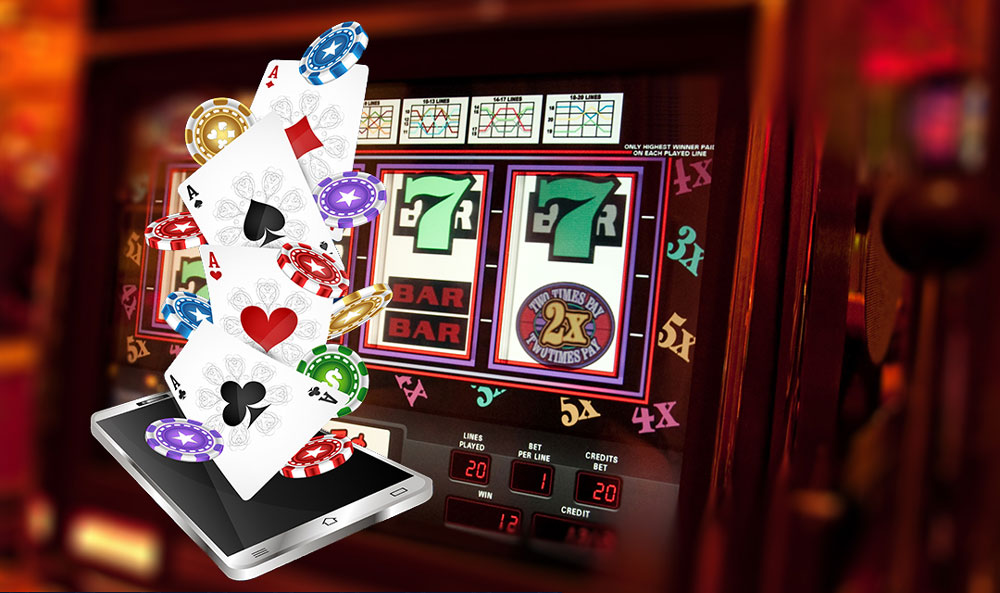
Superstition is a global language, and the cockpit, even a virtual one, is no foreigner to its effect. Among UK players, the choice of numbers often involves a deliberate dance around supposed luck. The number ’13’ is commonly avoided, its connection with bad luck leading many pilots to skip it completely, echoing the real-world aviation practice of often excluding a 13th row on aeroplanes. In contrast, numbers like ‘7’ and ‘8’ are very desired. ‘7’ is regarded lucky in many Western cultures, while ‘8’ represents infinity and balance, a desirable trait for stable flight. Some players create intricate personal systems, perhaps blending their birth date with a lucky digit to produce a unique, auspicious code. This isn’t just playful; in a simulation where surprise engine failures or sudden crosswinds can challenge even the most experienced player, having a ‘lucky’ number on the fuselage can supply a psychological comfort blanket. It brings an element of personal ritual into the pre-flight checks, adding another layer of depth and personal belief to the immersive experience of Avia Fly 2.
Tangible Effects: Actual Flight Operations and Gameplay Mechanics
Beyond culture and superstition, practical considerations greatly affect number choices. Many UK Avia Fly 2 players are dedicated fans of actual aviation, and this knowledge directly impacts their selections. They could reproduce the identification code of a particular plane they’ve captured at a nearby airfield like Glasgow or Birmingham, bringing a fragment of the actual fleet into their flight sim. Moreover, the game’s inherent systems and communal functions play a role. Easy-to-recall strings are chosen for multiplayer sessions; a simple tail number like ‘G-ABCD’ (following the UK’s real registration format) is considerably more straightforward for friends to spot and identify in a packed simulated sky than a complex, random string. Players also consider visual appeal and design—high-contrast numbers that are prominent against the plane’s paint scheme are commonly picked for more distinct images and clips, which are frequently shared within UK-oriented communities and digital communities. This mix of genuineness and functionality guarantees that the picked code not only feels right but also works effectively within the communal and technological environment of the title.
Regional Variations Within the UK Player Base
The United Kingdom is a group of different nations, and this range is reflected in the number choices of Avia Fly 2 players from diverse regions. A pilot logging on from Scotland might be more inclined to use numbers connected with notable local dates, such as ’25’ for Burns Night or ‘1314’ alluding to the Battle of Bannockburn, or include elements like a stylised ‘SCO’. Welsh players may prefer sequences involving ‘7’ (a traditionally significant number) or use registrations that indicate Welsh language phrases. In Northern Ireland and across regions with rich aviation heritage, such as areas near former RAF bases, historic squadron codes or aircraft model numbers might have more regular use. These regional nuances add a vibrant tapestry of local identity to the global servers. Perceptive players can sometimes deduce a fellow pilot’s origin just by their aircraft’s registration, fostering a sense of local community inside the broader game. This regional pride, expressed through a few plain digits, showcases how the game becomes a canvas for showing not just a personal, but a geographical identity.
Standard Number Patterns to Steer Clear Of
Much like certain numbers are popular, others are consistently avoided by the knowledgeable UK Avia Fly 2 community. The reasons vary from practical gameplay issues to cultural taboos. Key patterns that frequently find themselves avoided include:
- Overly Simple Sequences: Numbers like ‘0001’, ‘1234’, or ‘1111’ are commonly seen as default or unimaginative, employed by newcomers before they tailor their experience. Veteran players tend to avoid these to signify their deeper engagement with the sim.
- Vague Letter-Number Combos: Combinations that can be misinterpreted or spell unfortunate words are normally avoided. For instance, a sequence like ‘SH1T’ or ‘F4IL’ might be seen as humorous but unprofessional for serious virtual airline pilots.
- Genuine Accident Registrations: Discerning players, particularly those informed about aviation history, will avoid utilizing the tail numbers of aircraft involved in real-life accidents or incidents, considering it in poor taste.
- Unclear Codes: Long strings with similar characters (e.g., ‘IIIIII’ or ‘OOOO00’) are unwieldy for identification in multiplayer and are generally bypassed for clearer alternatives.
This conscious avoidance is an integral part of the culture as the positive selections, reflecting a community-developed etiquette and a shared understanding of what makes a ‘good’ registration within the context of the simulation.
The Impact of Multiplayer Modes and Simulated Airlines
The social aspects of Avia Fly 2, notably multiplayer modes and structured virtual airlines, deeply shape number preferences. When operating as part of a UK-based virtual airline, pilots are usually required to adopt a registration from the company’s fleet, which conforms to a strict, realistic format. This creates a uniformity that emulates real-world operations, valuing authenticity over personal whim. In open multiplayer sessions, however, distinct trends emerge. Players might choose numbers that are simple to pronounce over voice chat for efficient communication during group flights or air traffic control events. There’s also a showcase aspect; a memorable or clever registration can become a player’s calling card, creating recognition and reputation within the community. Furthermore, the collaborative nature of multiplayer often leads to themed flights, where groups might all use registrations from a certain real-world airline or with a common numerical theme, creating a harmonious and impressive squadron in the virtual sky. This social pressure and camaraderie immediately influence individual choices, often guiding players towards numbers that indicate belonging and teamwork.
How Number Choice Boosts Immersion and Realism
For the simulation purist, each detail adds to the feeling of actually being at the controls of an aircraft. The choice of registration number is a vital component of this immersion. Using a accurately formatted UK registration (beginning with ‘G-‘ followed by four letters) immediately roots the experience in a familiar national context. Researching and applying the real registration of a specific aircraft type, such as a British Aerospace 146 that once flew for a regional carrier, adds a layer of historical authenticity. This attention to detail extends to matching the number’s font, size, and placement to real-world standards, a process Avia Fly 2’s customisation tools often support. When a player looks out from the cockpit and sees that authentic ‘G-‘ code on the wing, it perfects the illusion. It transforms the game from a simple pastime into a dedicated hobby of replication and study. This pursuit of realism through numerical accuracy is a testament to the deep engagement of the UK player base, showcasing their desire not just to play a game, but to participate in a faithful digital representation of aviation.
Future Trends for UK Player Preferences?
As the Avia Fly 2 game develops with updates and its community grows, the trends in number selection are also probable to shift. The growing popularity of sharing flight experiences on platforms like YouTube and Twitch may motivate players towards more striking, ‘brandable’ registrations that are appealing for viewers. We might also observe a growth in numbers reflecting contemporary events or popular culture relevant to the UK. Furthermore, as the simulation introduces newer aircraft models, players will pursue the inaugural registration numbers of those real-world planes to be the first to mirror them in-game. The development of more advanced livery and registration editors within the game itself will enable players to be even more precise, potentially resulting to a boom in hyper-realistic, historically accurate codes. The core factors—personalisation, cultural resonance, superstition, and realism—will stay, but their expression will adapt to the changing tools and social landscapes of the gaming world, guaranteeing the virtual skies over Britain remain as diverse and engaging as the people flying in them.